
 0086-13958366031
 0086-13958366031
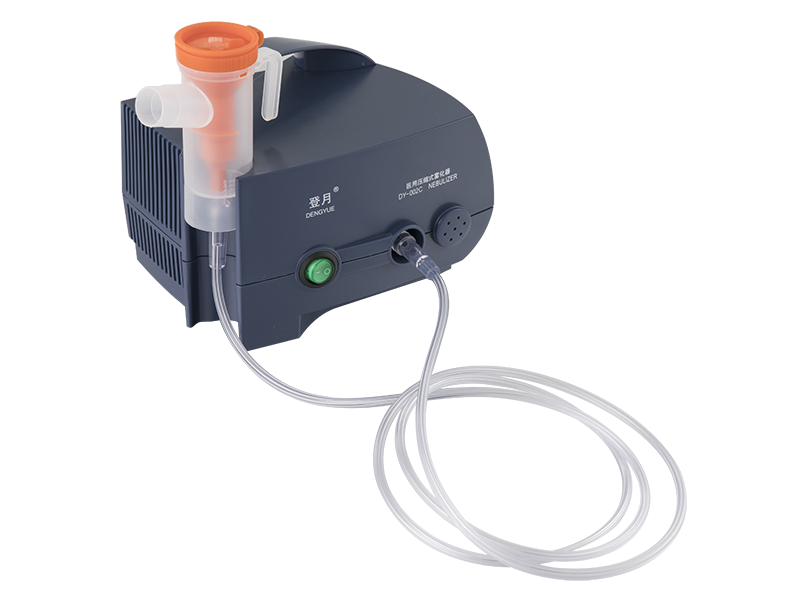
A flashing red light on a medical gas alarm panel is not a minor nuisance; it is a warning that a pipeline pressure has moved outside its safe range. The panel gives staff the information they need to act before a patient is connected to an empty or over-pressured line. In simple terms, a medical ga... read more
If a caregiver sets a regulator dial to 2 L/min and leaves it there while the patient's condition changes, the oxygen delivered no longer matches the prescription written weeks ago. Oxygen flow rate — the volume of oxygen delivered per minute, expressed in liters per minute (L/min or LPM) — is the s... read more
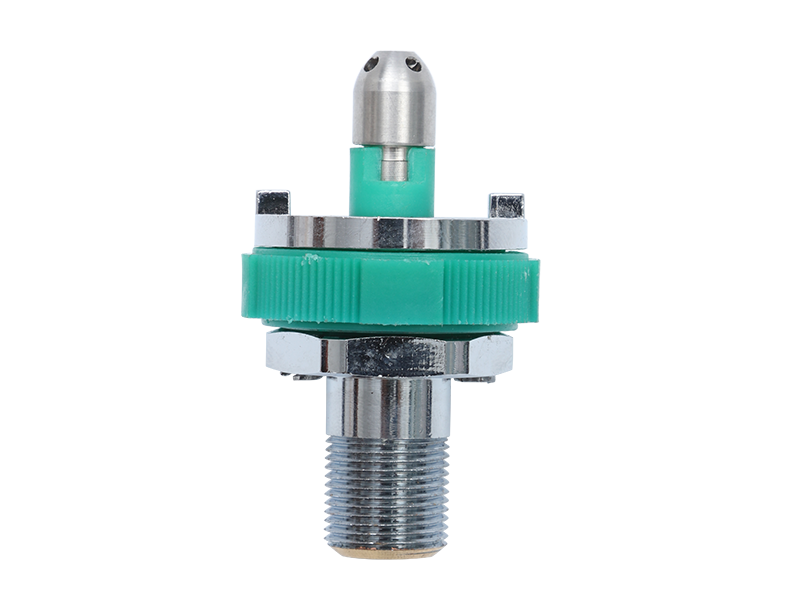
The medical gas system installation and upgrade rate is the strongest leading indicator for copper tubing demand, and it also dictates which terminal components a facility will need. Consider a concrete case: a hospital expanding from 45 to 55 beds must add oxygen, medical air, and vacuum outlets to... read more
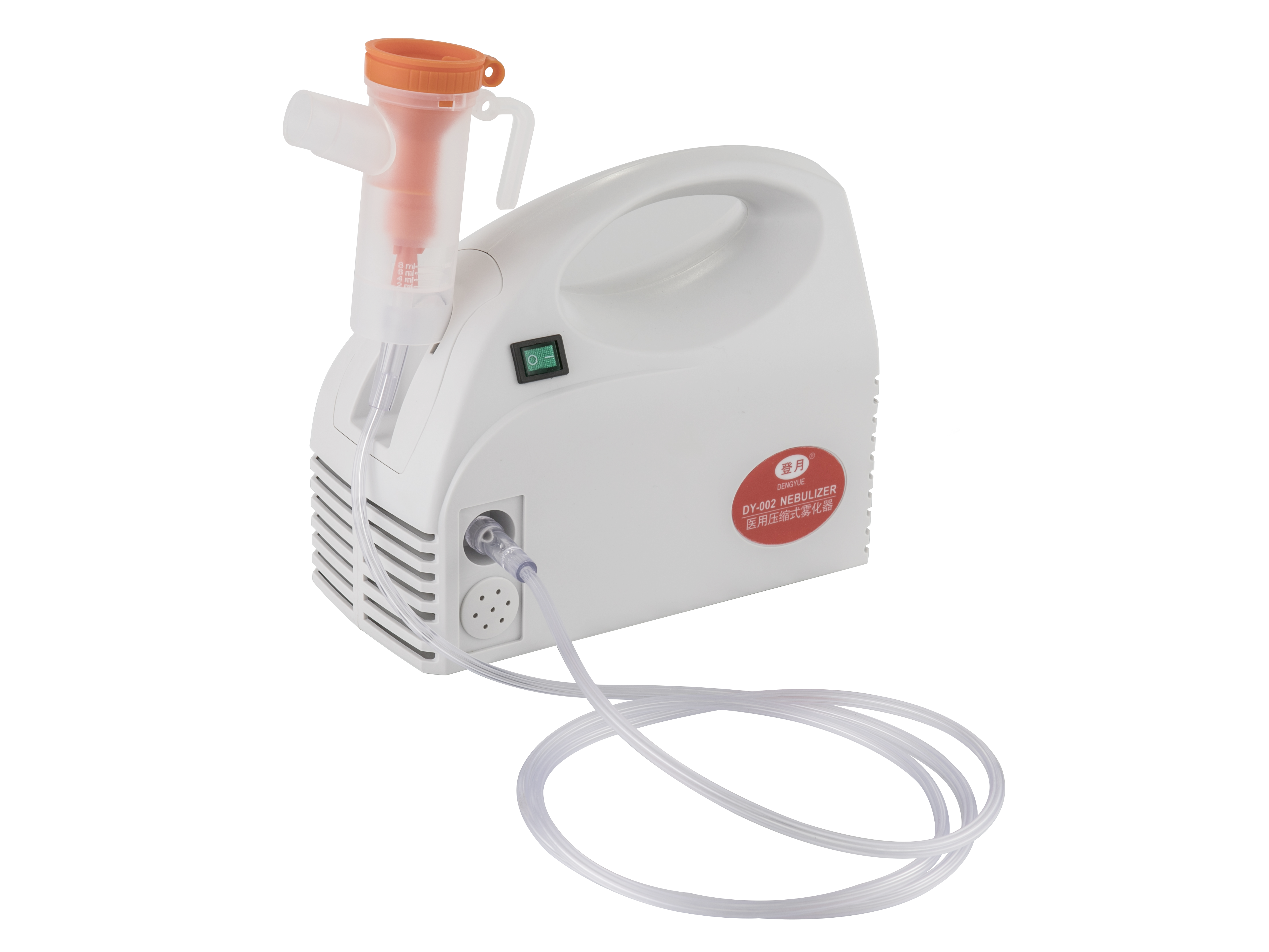
An oxygen hose should never attach to a nitrous oxide outlet. The Diameter Index Safety System (DISS) is designed to make exactly that kind of dangerous mix-up impossible. It is a mechanical standard for non-interchangeable, removable low-pressure connections used with medical gases, and it has been... read more
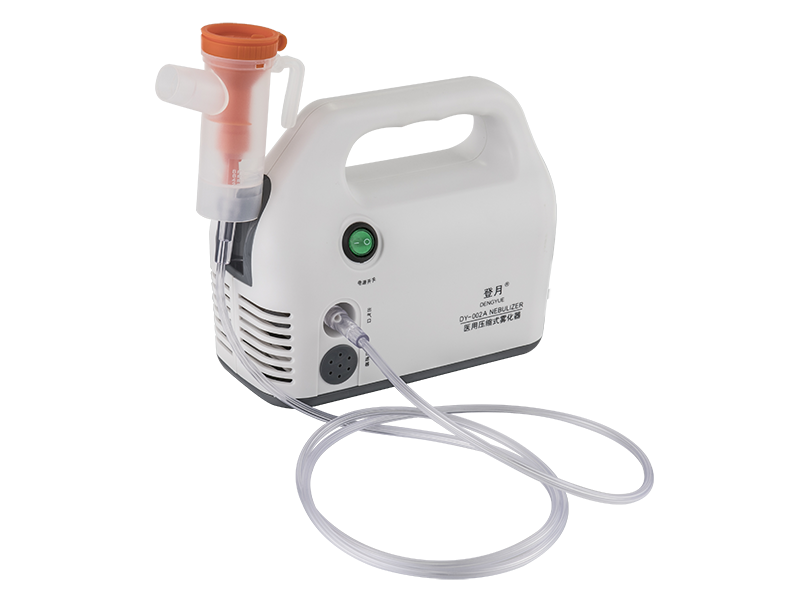
When a hospital's medical gas system is being specified, the oxygen flow meter is not a single component but a family of devices. A wall-mounted unit on a central pipeline has a different function from a unit attached directly to a high-pressure cylinder, and using the wrong type can produce inaccur... read more
 English
 No. 16-18 Dongpu Village, Simen, Yuya, Zhejiang, China
 0086-574-62134031