
 0086-13958366031
 0086-13958366031
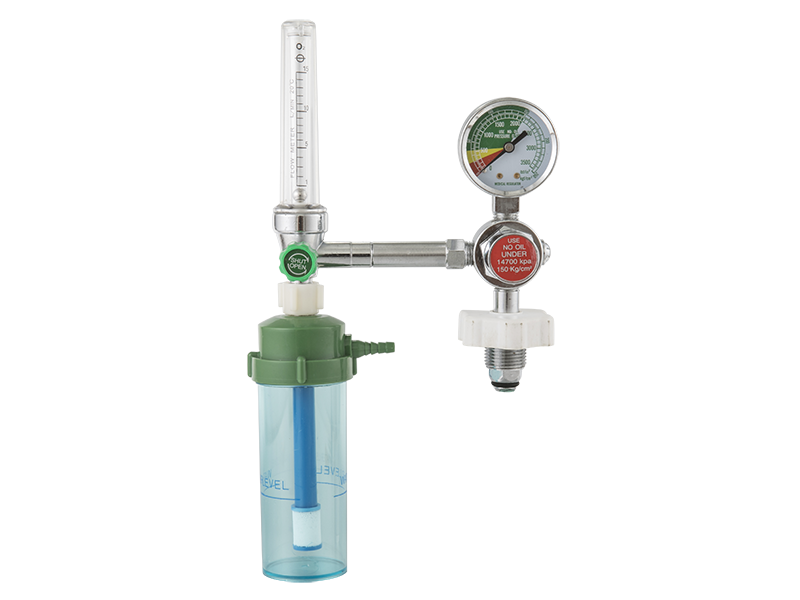
Reading an oxygen flow meter looks simple until you are standing at a bedside, a wall outlet, or a cylinder with a clinician waiting. The little ball moves, the numbers are small, and the difference between 2 L/min and 4 L/min matters. A calm, repeatable reading habit is what keeps that moment safe.... read more
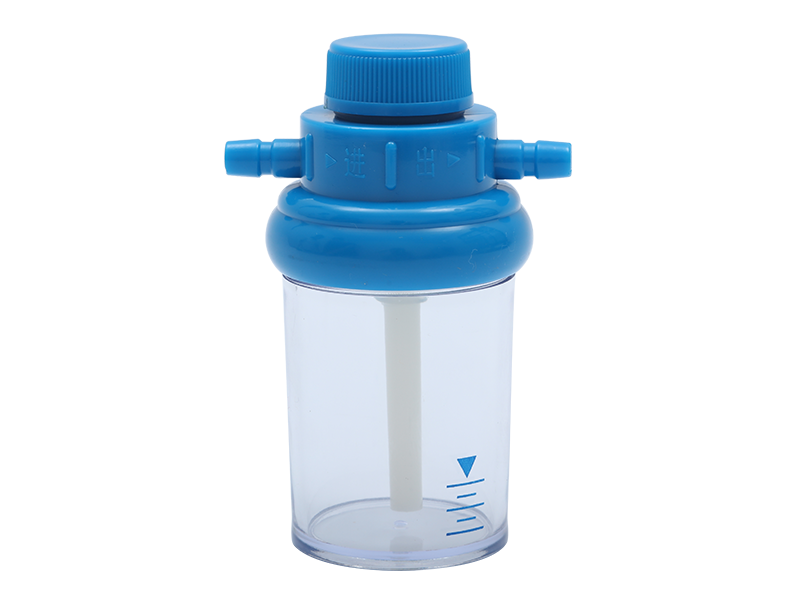
If a clinician has prescribed “4 LPM oxygen,” that small number carries a lot of practical weight. It tells you how much continuous oxygen should flow through the tubing each minute, and it shapes the regulator, flow meter, cylinder, and accessories you need. At our factory in Yuyao, we have spent d... read more
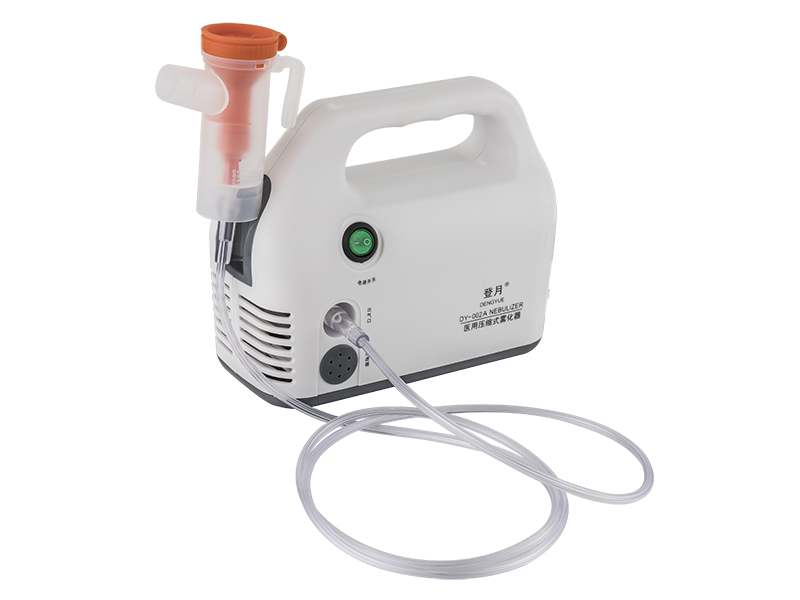
Ask ten people what "gas medicine" means and you will get two quite different answers. Most are thinking of the over-the-counter products sold for trapped wind, bloating and that heavy feeling after a large meal, and the active ingredient in the majority of them is simethicone. A smaller group, usua... read more
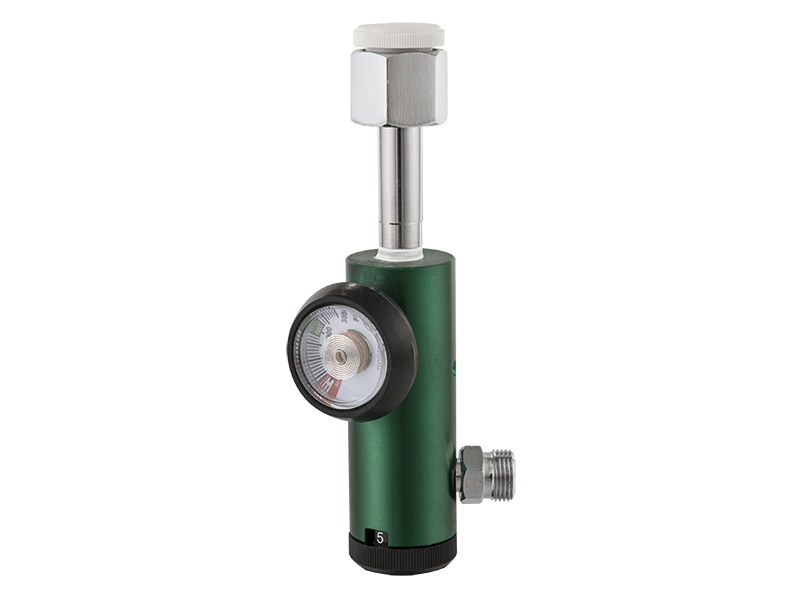
Medical oxygen flow can look reassuringly simple: a float rises in a tube, and the clinician reads a number. But that number is only useful when the flowmeter is measuring under the conditions it was designed for. A pressure compensated flowmeter is built to keep the reading honest when pressure at ... read more
An oxygen regulator is one of those devices that disappears into the routine of care. You open the cylinder valve, turn a knob, set a flow rate, and oxygen reaches the patient. Nobody thinks about the parts inside it until something drifts: a needle that will not hold a setting, a gauge that reads s... read more
 English
 No. 16-18 Dongpu Village, Simen, Yuya, Zhejiang, China
 0086-574-62134031
