
 0086-13958366031
 0086-13958366031
Ask ten people what "gas medicine" means and you will g […]
Ask ten people what "gas medicine" means and you will get two quite different answers. Most are thinking of the over-the-counter products sold for trapped wind, bloating and that heavy feeling after a large meal, and the active ingredient in the majority of them is simethicone. A smaller group, usually clinicians, engineers and home-care suppliers, are thinking of the gases themselves: oxygen, medical air, and the hardware that carries them safely to a patient.
We have spent decades on the second side of that line, manufacturing oxygen regulators, flow meters, gas outlets and nebulizers in Yuyao, Zhejiang. Because the two worlds overlap more often than people expect, it makes sense to answer both versions of the question in one place.
When someone searches for how gas medicine works, they almost always mean simethicone, sometimes spelled simeticone. It is a silicone-based anti-foaming agent sold without a prescription in several forms:
The first thing worth knowing is that simethicone is not absorbed into the bloodstream. It does its work inside the stomach and bowel and then leaves the body unchanged, which is part of why it has such a gentle safety profile.
Gas in the digestive tract does not float around as one big clean bubble. A good deal of it sits in a foam made of countless tiny bubbles, each one wrapped in a thin film of mucus and digestive fluid. That foam is what stretches the bowel wall and produces the familiar feelings of pressure, fullness and distension. The total volume of gas may be modest; it is the many small bubbles with a large combined surface area that cause the trouble.
Simethicone is a surfactant. It lowers the surface tension of those bubble walls so that small bubbles merge into larger ones. Larger bubbles have far less surface area for the same volume, they rise and move along the intestine more easily, and they are passed more comfortably. A simple way to picture it is the head of foam settling on a glass of fizzy drink once you stir it.
Just as important is what the medicine does not do. It does not stop the body from producing gas, it does not absorb gas like a sponge, and it does not coat or numb the gut lining. That explains why clinical reviews tend to show a clearer benefit for bloating and abdominal fullness than for the sheer number of episodes of flatulence, and why simethicone is often added to bowel-preparation routines before imaging or endoscopy, where foam can obscure the view.
Simethicone is the best known option, but it is not the only one. The table below sets out how the main categories differ in mechanism, because choosing the right one depends on why the gas is forming in the first place.
| Remedy | How it works | Best suited to | Typical onset |
|---|---|---|---|
| Simethicone | Anti-foaming agent that merges small bubbles into larger ones | Bloating, fullness, trapped wind | Minutes to about 30 minutes |
| Alpha-galactosidase | Enzyme that breaks down complex sugars in beans and vegetables | Gas after high-fibre meals | Taken with the first bite of food |
| Lactase | Enzyme that splits lactose before gut bacteria ferment it | Lactose-related gas and cramping | Taken with dairy |
| Activated charcoal | Adsorbs gas and other molecules in the gut | Occasional use; evidence is limited | Within an hour, variable |
| Peppermint oil | Relaxes intestinal smooth muscle | Cramping and spasm-type discomfort | 30 to 60 minutes |
Simethicone is not a slow product. Many people notice easing of pressure within ten to thirty minutes of taking a dose, with the fuller effect arriving as the merged bubbles travel and pass. Chewable tablets should be chewed completely rather than swallowed whole, since the medicine works best when it is well dispersed in the stomach.
Dosing depends on the product and the age of the person taking it. Adult single doses commonly fall in the 80 mg to 250 mg range, repeatable after meals and at bedtime according to the label, while infant drops use a much smaller measured dose. If symptoms have not settled after two weeks of label use, that is a signal to speak to a pharmacist or doctor rather than to keep increasing the dose.
In our workshop, "gas medicine" means something else entirely. Oxygen is treated as a medicinal gas, and the equipment around it has to regulate, measure, humidify and deliver it with the same consistency every single time. The chain is surprisingly short but every link matters.
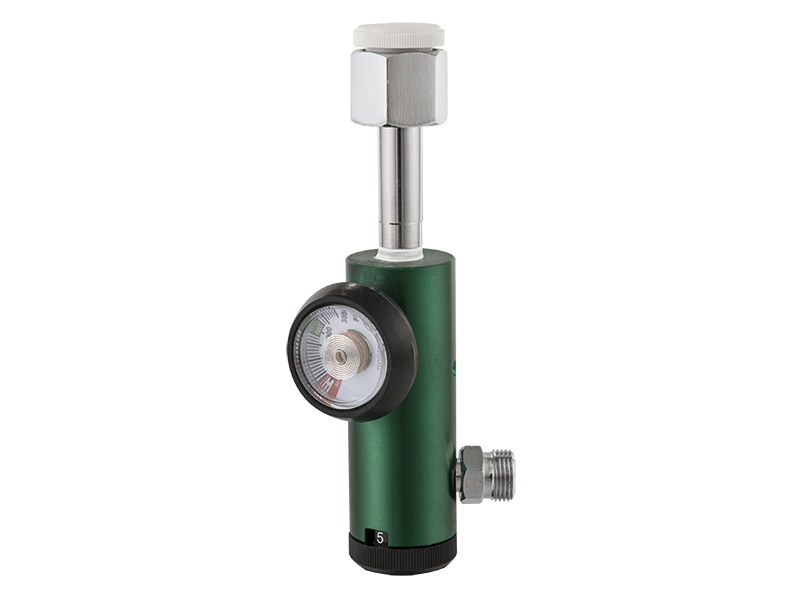
The regulator is the first stop and the part that patients and carers touch most often, so it needs to be readable, stable and easy to grip even with tired hands.
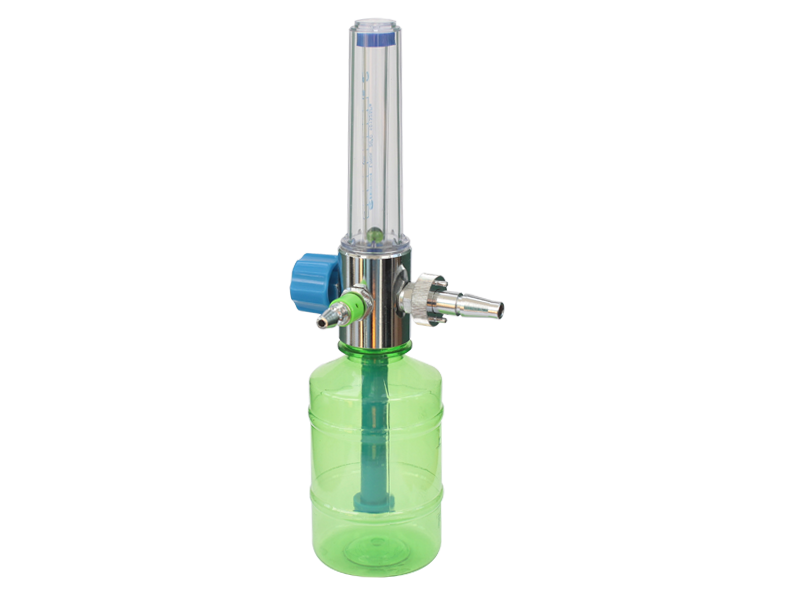
At the bedhead, a wall-mounted flow meter takes over the metering role, and the choice between models comes down to outlet standard, scale range and how the unit is serviced; our notes on choosing a wall flow meter for medical oxygen supply cover the practical differences.
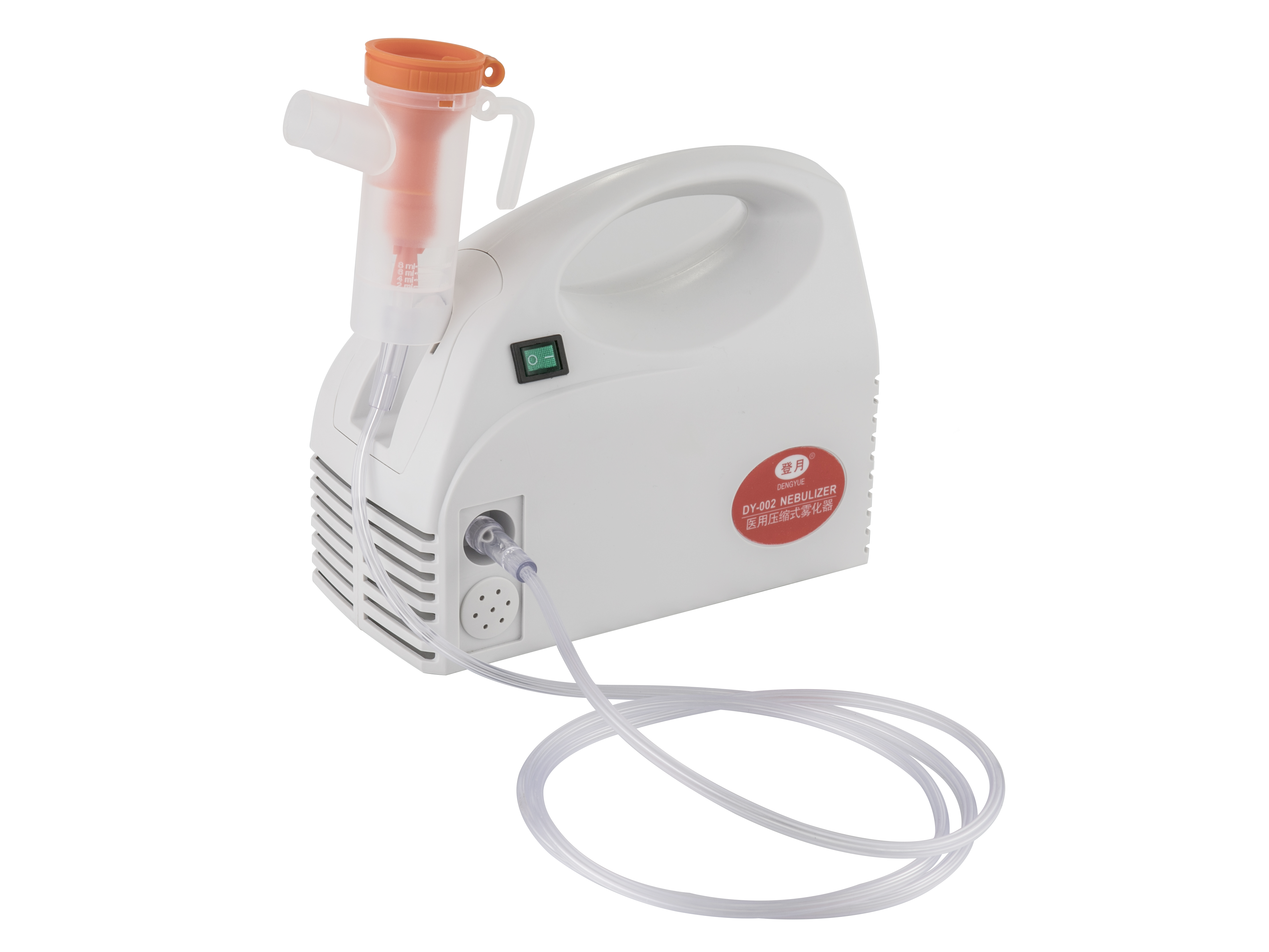
For aerosol treatment, the nebulizer itself becomes the delivery device, and a well-sealed chamber and a consistent particle size matter more than any marketing claim.
A patient on home oxygen rarely thinks about the regulator on the cylinder. They simply expect the flow to be the same at the end of the evening as it was at the start. That expectation is what our quality system is built around: ISO 13485 certification across the factory, CE certification on the nebulizer range, in-house test equipment, and gas pressure monitoring instruments used to check installations rather than to take anyone's word for it.
We are a manufacturing site rather than a trading company, which means a distributor can send a drawing or a sample and have it built, and a hospital project can order outlets to British, German or Japanese standards within one delivery. That flexibility is the practical side of gas medicine that never appears on the label.
So the answer depends on which gas medicine you arrived with. If it was simethicone, the mechanism is anti-foaming: small bubbles become larger ones, pressure eases, and the body does the rest, usually within half an hour. If it was oxygen, the mechanism is precision: a regulator, a flow meter, a humidifier and a clean connection, working together quietly so that the gas arrives exactly as prescribed. Both are worth understanding, and both reward a little attention to the details.
 English
 No. 16-18 Dongpu Village, Simen, Yuya, Zhejiang, China
 0086-574-62134031
