
 0086-13958366031
 0086-13958366031
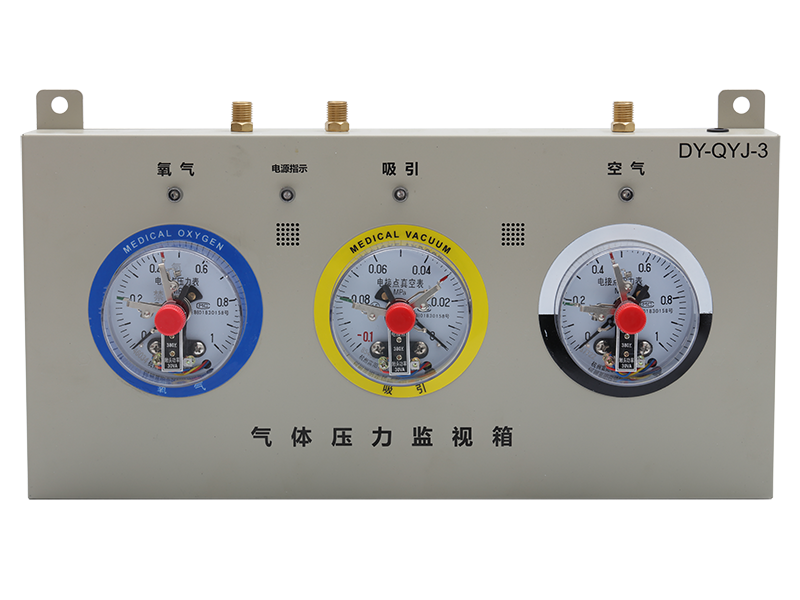
The Key Components of a Medical Gas Monitoring System: A Direct Answer A medical gas monitoring system is built on six core components: gas sensors, alarm panels, area alarm units, master alarm panels, a central monitoring station, and pipeline pressure indicators. Together, these elements continuou... read more
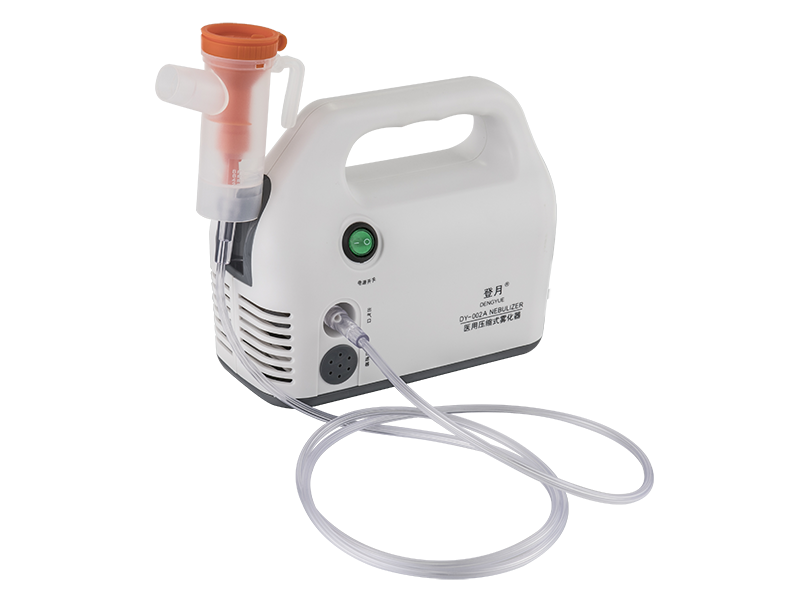
A medical nebulizer is a device that converts liquid medication into a fine mist that can be inhaled directly into the lungs through a mask or mouthpiece. The key difference from an inhaler is delivery method and ease of use: nebulizers require no coordination between breathing and actuation, making... read more
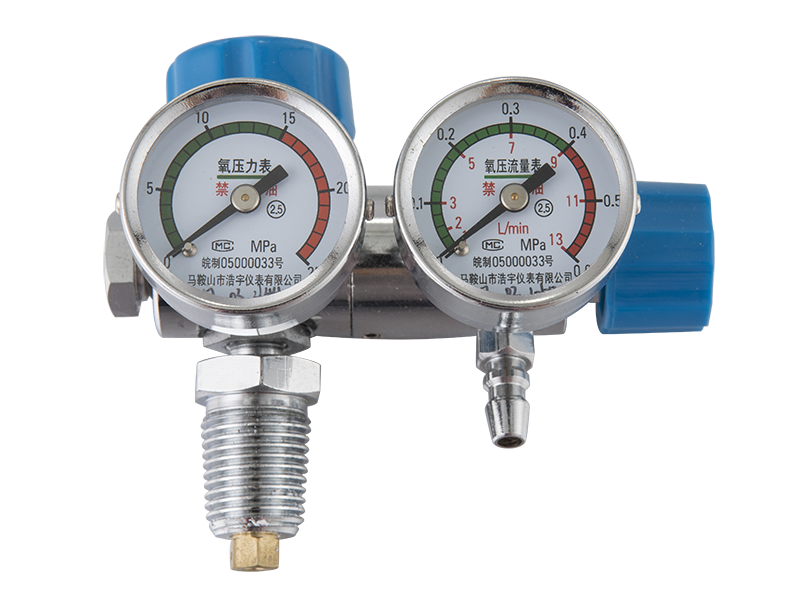
Yes — medical oxygen valves are subject to strict, multi-layered safety standards set by international regulatory bodies, national health authorities, and industry organizations. These standards govern everything from materials and pressure ratings to labeling and testing protocols. Failing to meet ... read more
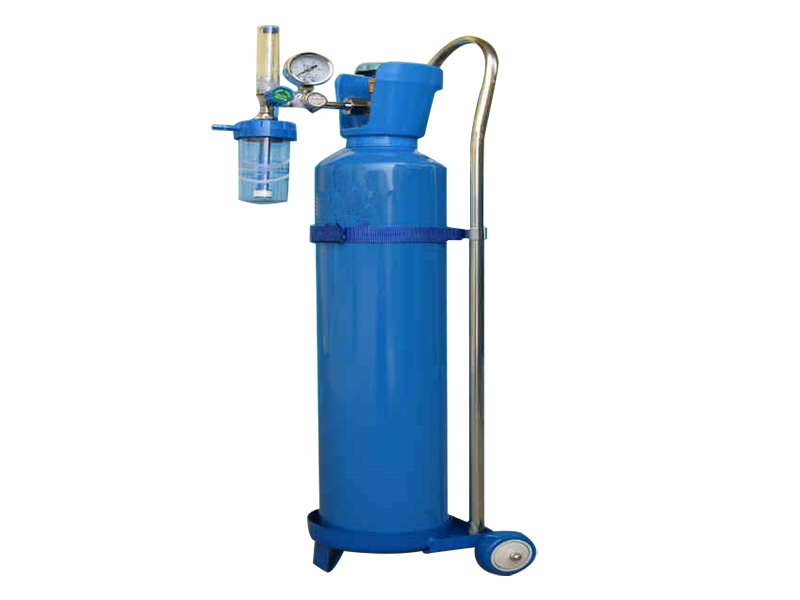
The duration of a medical oxygen cylinder depends on its size and the flow rate prescribed. A standard M9 portable cylinder (255 liters) at 2 LPM lasts approximately 2 hours, while a large H/K cylinder (6,900 liters) at the same flow rate can last over 57 hours. Knowing your cylinder size and prescr... read more
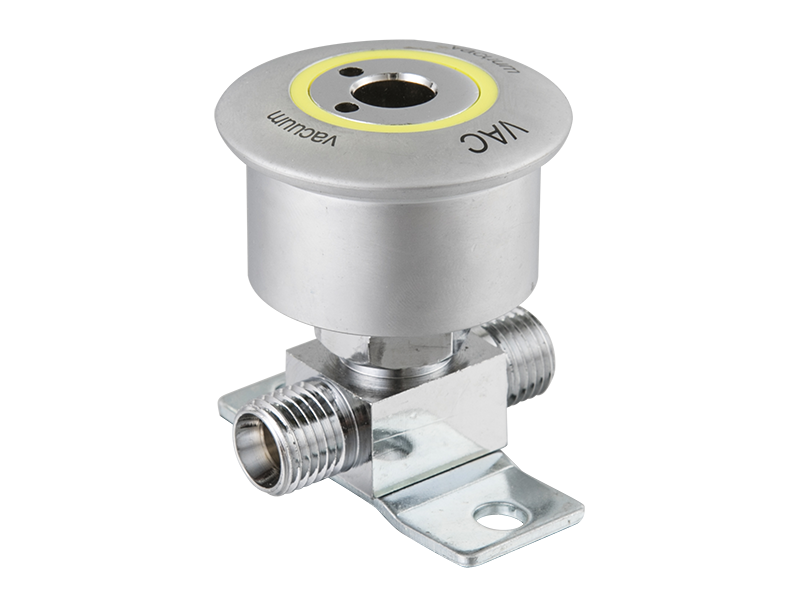
DISS, NIST, and PISS are three distinct medical gas connection systems, each designed for specific clinical environments, pressure ranges, and safety requirements. They are not interchangeable — using the wrong connection type in a healthcare setting is not merely an equipment incompatibility issue,... read more
 English
 No. 16-18 Dongpu Village, Simen, Yuya, Zhejiang, China
 0086-574-62134031