
 0086-13958366031
 0086-13958366031
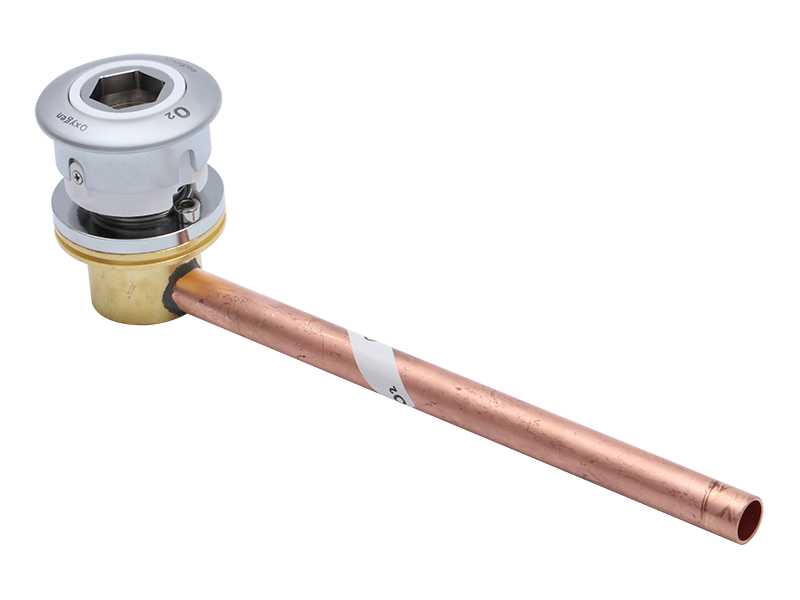
Quick Answer: What Matters Most in Your Selection The right medical gas outlet is determined by three non-negotiable factors: it must match the correct gas service and connector type (oxygen, medical air, vacuum, nitrous oxide, or WAGD), comply with NFPA 99 and DISS/quick-connect standards for that ... read more
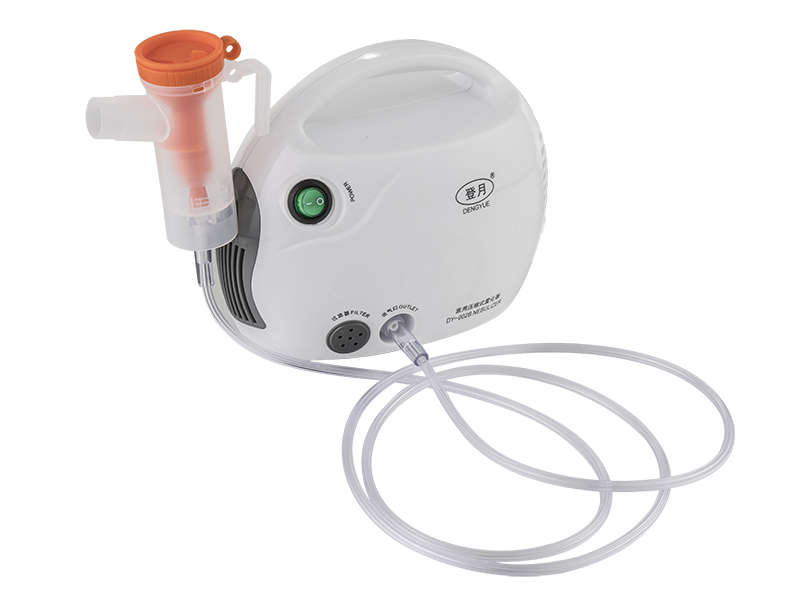
To nebulizer a treatment: wash your hands, pour the prescribed liquid medication into the medicine cup, attach the mouthpiece or mask, connect the tubing to the compressor (or oxygen source), turn it on, and breathe normally through the mouthpiece for 10 to 15 minutes until the mist stops and the cu... read more
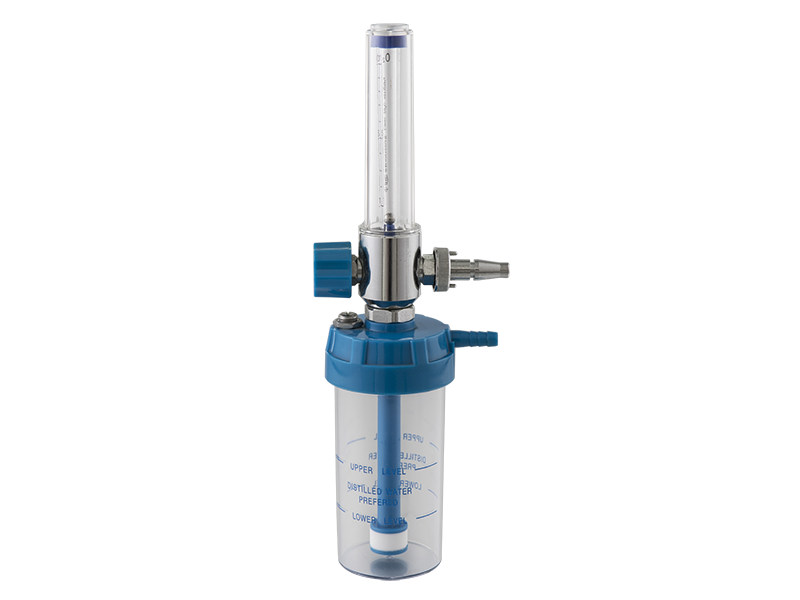
Quick Answer: What to Look for First The right wall mounted oxygen flow meter for your facility depends on five factors: a flow rate range matched to your patient population (commonly 0–15 LPM for general care, 0–25 LPM for critical care), a connection type compatible with your existing gas system (... read more
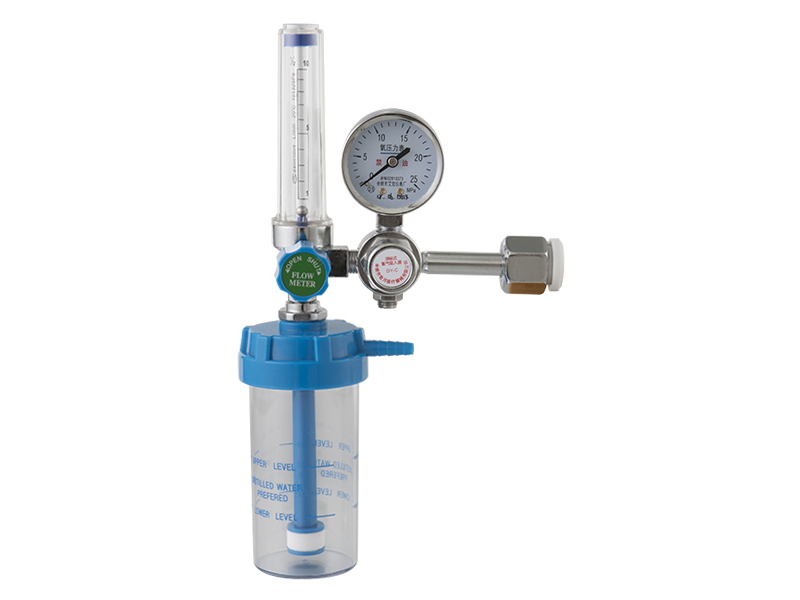
The Direct Answer: Prioritize Factory-Direct Suppliers with Verifiable Certifications and Calibration Support The most reliable way to source wall flow meters is to buy directly from manufacturers rather than through multiple layers of trading intermediaries. Direct supply typically cuts procurement... read more
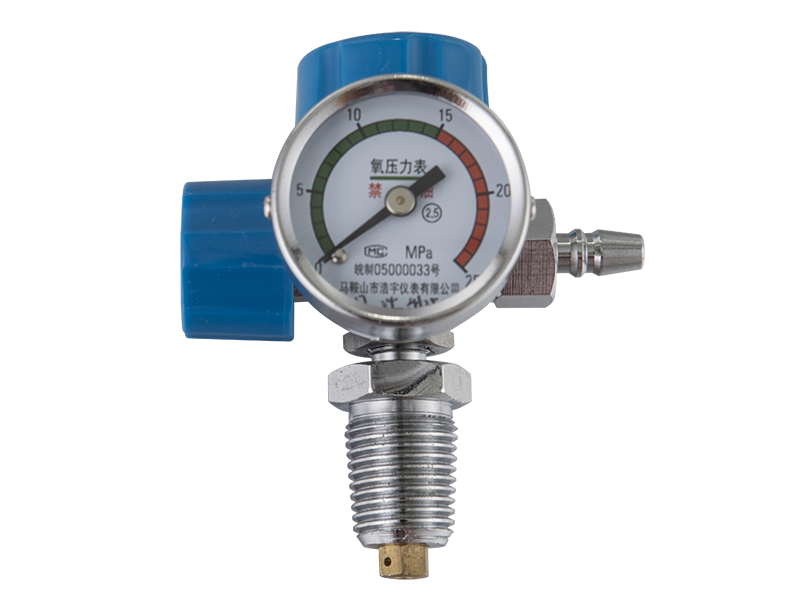
Quick Answer: How to Buy Medical Oxygen Valves Wholesale If you need a direct answer: source medical oxygen valves only from manufacturers that can provide ISO 13485 certification and, where applicable, CE marking under EU MDR (Medical Device Regulation) or FDA 510(k) clearance for the U.S. market. ... read more
 English
 No. 16-18 Dongpu Village, Simen, Yuya, Zhejiang, China
 0086-574-62134031