
 0086-13958366031
 0086-13958366031
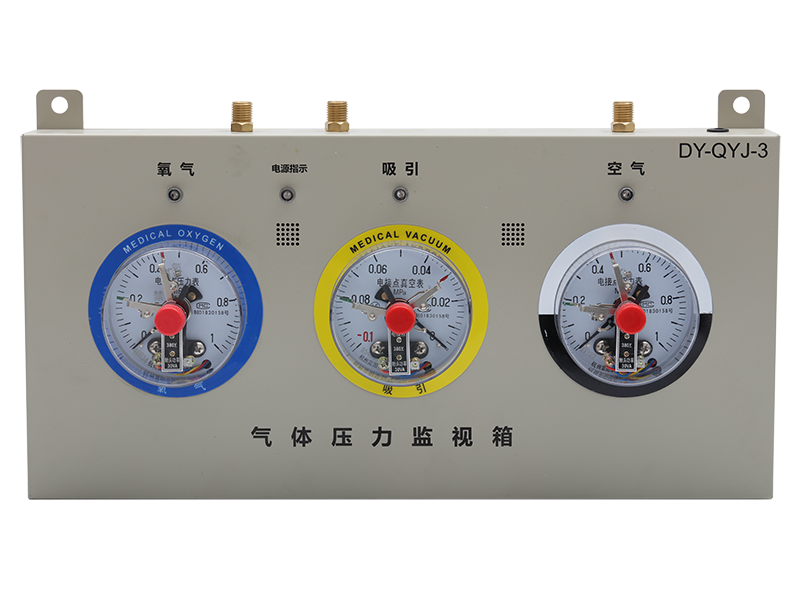
If you have spent time looking into NFPA 99 medical gas certification, you have probably noticed that the same phrase describes at least three different things: a credential held by a technician, a third-party verification of a completed pipeline system, and a facility's ongoing duty to keep that sy... read more
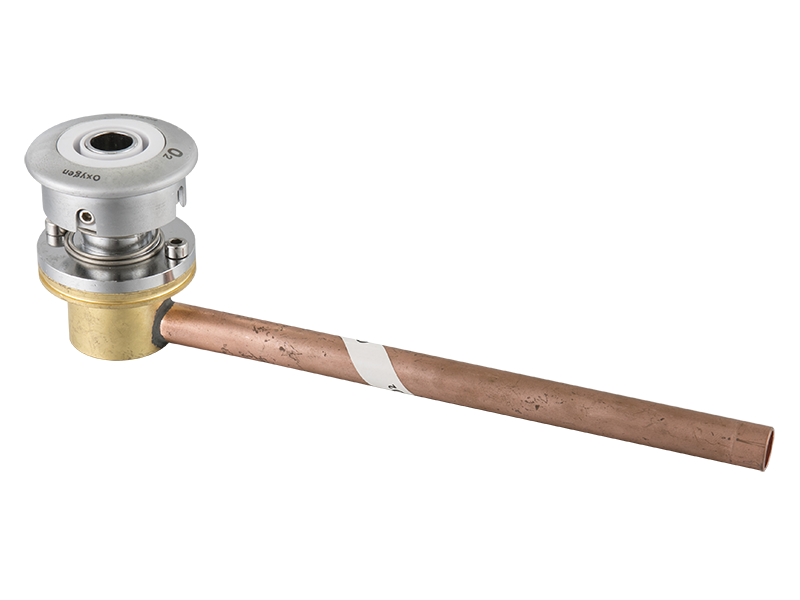
Ask anyone on a hospital maintenance team what keeps them awake at night, and medical gas rarely tops the list — until a pressure alarm sounds on a weekend shift. Behind the quiet confidence that oxygen, medical air, nitrogen and vacuum will be there the moment a clinician reaches for them sits a fa... read more
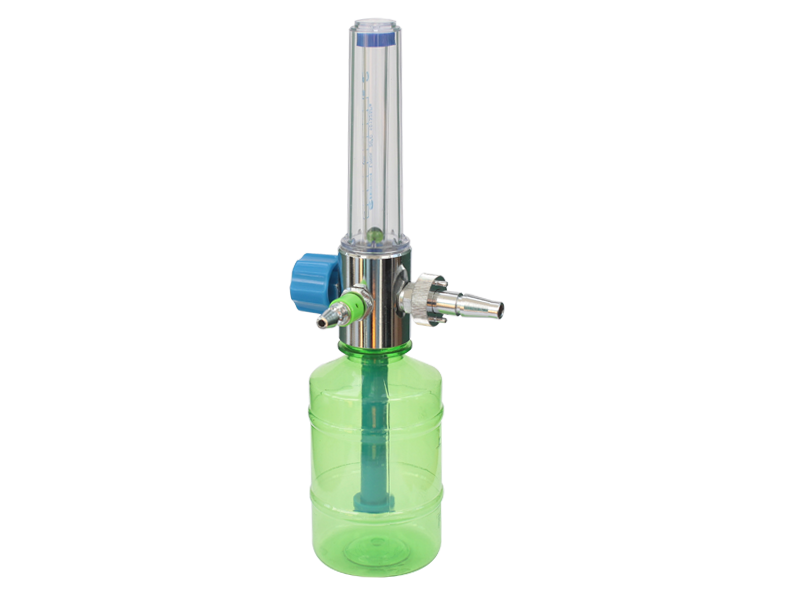
Planning a medical gas project for 2026 usually starts with one question: what is the installation rate going to be, and what does it actually cover? Contractors rarely quote a single figure for "medical gas" as a whole. They quote per outlet, per bed, or per project, and the number depends on how t... read more
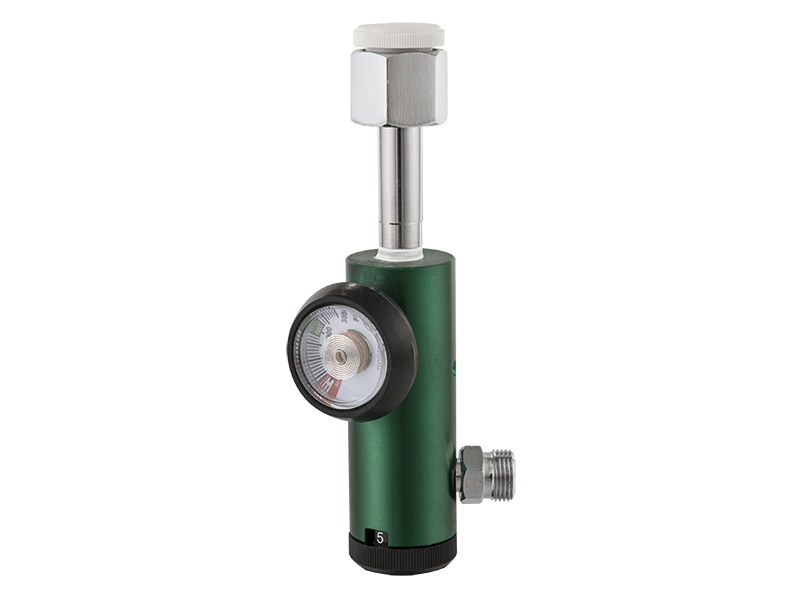
A medical gas system is much more than a cylinder and a length of tubing. It is the complete piped network that carries oxygen, medical air, vacuum and other medical gases from a source of supply to the exact point where a patient or a clinician needs them. When it works well, nobody thinks about it... read more
The common gas outlet on an anesthesia machine is one of those small components that rarely gets attention until something goes wrong. It is the final fixed port where fresh gas leaves the machine and enters the breathing circuit, and it plays a central role in every anesthetic. In our years of manu... read more
 English
 No. 16-18 Dongpu Village, Simen, Yuya, Zhejiang, China
 0086-574-62134031
