
 0086-13958366031
 0086-13958366031
Planning a medical gas project for 2026 usually starts […]
Planning a medical gas project for 2026 usually starts with one question: what is the installation rate going to be, and what does it actually cover? Contractors rarely quote a single figure for "medical gas" as a whole. They quote per outlet, per bed, or per project, and the number depends on how the pipe runs, which terminal standards the specification calls for, and how much verification the local authority wants to see.
We have been manufacturing medical gas equipment since 1987, which means we spend a lot of time talking with installers, distributors, and hospital project teams about exactly these numbers. What follows is our honest read on 2026 rates: the ranges we hear, the line items that surprise people, and the hardware decisions that quietly change the total.
An installation rate is never just pipe and labour. Most quotes issued this year bundle five separate things:
Only the first two items are normally quoted "per outlet". Everything else sits in the project total, which is why two quotes with an identical outlet count can still differ by tens of thousands.
The figures below reflect early-stage budgeting on projects outside China, where most of our customers build. Use them to build a spreadsheet and to test whether a quote is plausible, not as a substitute for a real estimate.
| Cost element | 2026 planning range | What usually drives the variation |
|---|---|---|
| Rough-in plus terminal outlet | USD 900 – 2,500 per outlet | Wall construction, pipe run length, terminal standard, ceiling access |
| Complete system cost | USD 3,000 – 7,000 per bed | One to three outlets per bed, plus zone valves and area alarms |
| Source equipment | USD 15,000 – 120,000+ | Capacity, redundancy, and whether medical air or vacuum is included |
| Permits and plan review | USD 500 – 3,000 | Local jurisdiction and whether fire-rated assemblies are involved |
| Brazing labour | 15 – 25% of piping labour | Installer certification requirements and total joint count |
| Independent verification | USD 60 – 150 per outlet | Verifier availability and the depth of documentation required |
Scale helps, but less than people expect. A 200-outlet project does not cost half as much per outlet as a 100-outlet project, because mobilisation, permitting, source equipment, and verification do not shrink in proportion. Where scale genuinely pays off is in the terminal hardware itself: large orders allow manufacturers to hold a single configuration line and pass on a better unit price.
Medical oxygen is normally piped in cleaned copper or stainless steel, and the routing matters as much as the material. Every additional change of direction adds a brazed joint, and every brazed joint adds labour and inspection time. Chasing a shorter run through a service corridor is often the single biggest saving available on a hospital floor.
British, German, and Japanese-style terminal formats are not interchangeable, and neither are their flow characteristics. When a specification mixes standards across departments, installers must stock separate parts, train on separate assemblies, and test each type independently. Standardising early, even if it takes an extra design meeting, usually reduces the installed rate.
Work inside a live hospital is slower. Night shifts, dust containment, temporary shutdowns, and infection-control procedures can add 20 to 40 percent to labour compared with a new-build shell. This is rarely hidden, but it is often underestimated during the early budget stage.
As a manufacturer, we see the equipment side of the cost equation more clearly than the labour side. Three component decisions tend to reappear in every project review.
The first is the wall flow meter. Choosing the right wall flow meter for medical oxygen supply is mostly about matching the inlet connection, the flow range, and the calibration expectations of the facility. A meter that fits the outlet without an adapter and reads accurately at low flows saves the installer time on commissioning, and saves the hospital time on servicing. Our own take on the selection process is set out in this guide to choosing a wall flow meter for medical oxygen supply, which many of our distributors share with their end users.
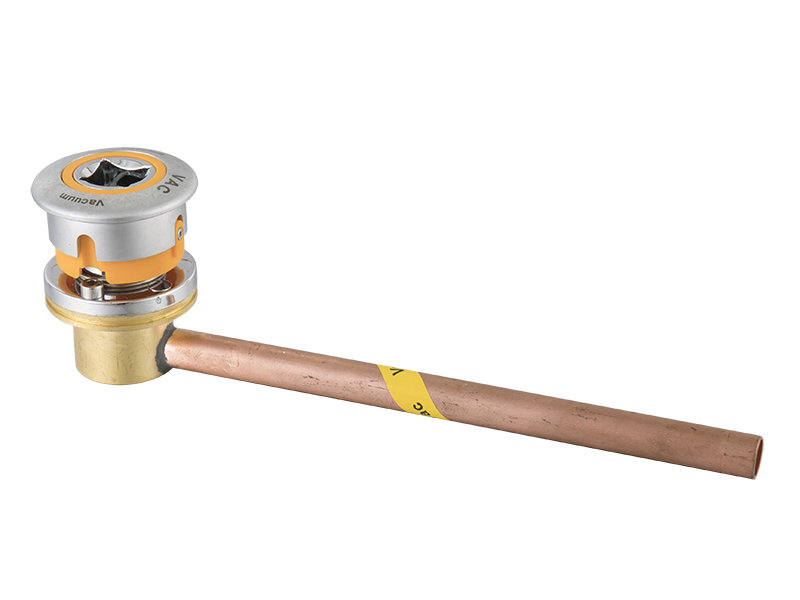
The second is the gas outlet itself. The outlet is the one item a contractor cannot substitute late in the project, because it determines which probes, meters, and regulators will physically connect at the bedside. Getting the standard right at design stage avoids both rework and adapter clutter, which is why we keep English, German, and Japanese-style terminal ranges available as separate series.
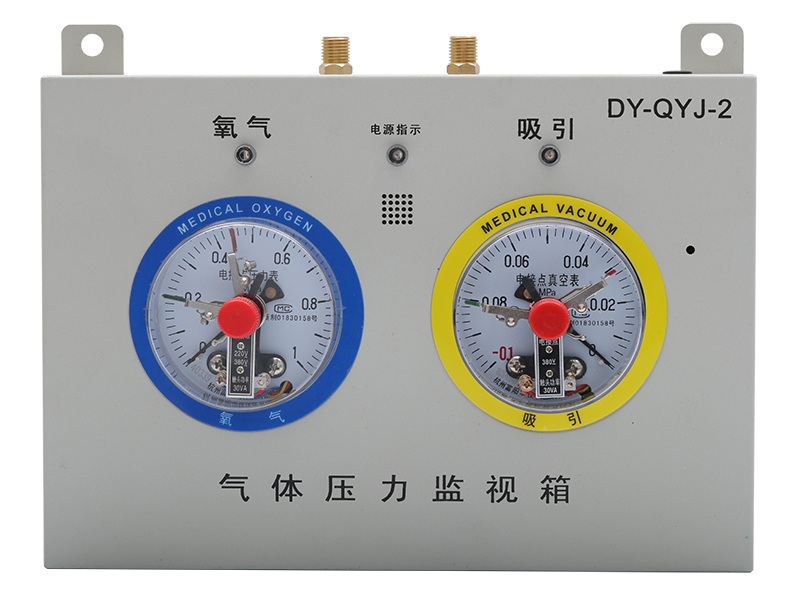
The third is monitoring. Pressure monitor boxes and flow decompression instruments are inexpensive relative to the piping, but they are what allow the installing team to demonstrate stable pressure at handover instead of arguing about it. Having a simple, readable monitoring unit on site during commissioning frequently shortens the verification visit.
Medical gas permits are rarely a simple formality. Review fees, fire-rated penetration approvals, and inspection scheduling can add both money and weeks. On tightly programmed projects, the delay cost often exceeds the permit fee itself.
Brazed joints in medical gas piping are usually required to be made by qualified personnel, and the qualification must be documented. Contractors who carry that capability in-house price it into labour; those who subcontract it pay a premium and lose schedule control. Either way, it belongs in the budget.
Verification is an independent activity, separate from installation, and it is priced per outlet plus a mobilisation component. It is also the stage where incomplete documentation becomes expensive, because a verifier who has to return for a second visit will charge for it.
Many facilities keep cylinder-based emergency supply alongside the piped system. Regulators, cylinder valves, and humidifier assemblies for that backup layer are a small part of the total budget but a large part of the safety story. If your project includes it, the types and safety considerations of medical oxygen cylinder regulators are worth reading before the equipment list is frozen.
Before you accept a 2026 rate, walk through these five steps:
Rates will keep drifting with labour markets and material prices through 2026, but the structure of the cost stays remarkably stable. Get the routing, the standards, and the equipment list right at design stage, and the number you sign will look very much like the number you budgeted.
 English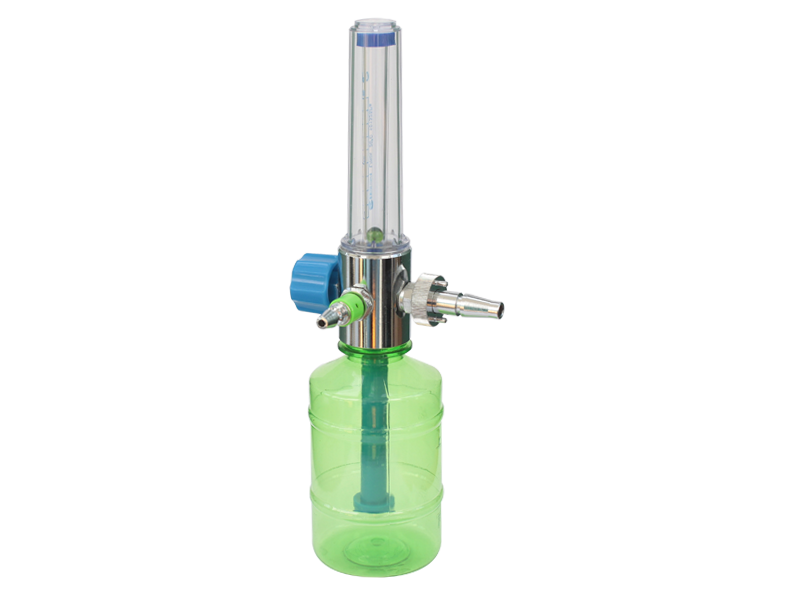
 No. 16-18 Dongpu Village, Simen, Yuya, Zhejiang, China
 0086-574-62134031